Progressive Architecture Concepts: Discovering the Advantages of Professional Architecture Services
Groundbreaking building designs are instrumental in shaping contemporary spaces. By championing eco-conscious functionality, architects can create spaces that resonate with community needs. Blending smart technologies and eco-friendly materials enhances energy efficiency while fostering social interaction. As architectural concepts advance, they adapt to human-centered needs and celebrate cultural traditions. A key inquiry persists: in what ways do these factors combine to transform our built environments and improve quality of life?
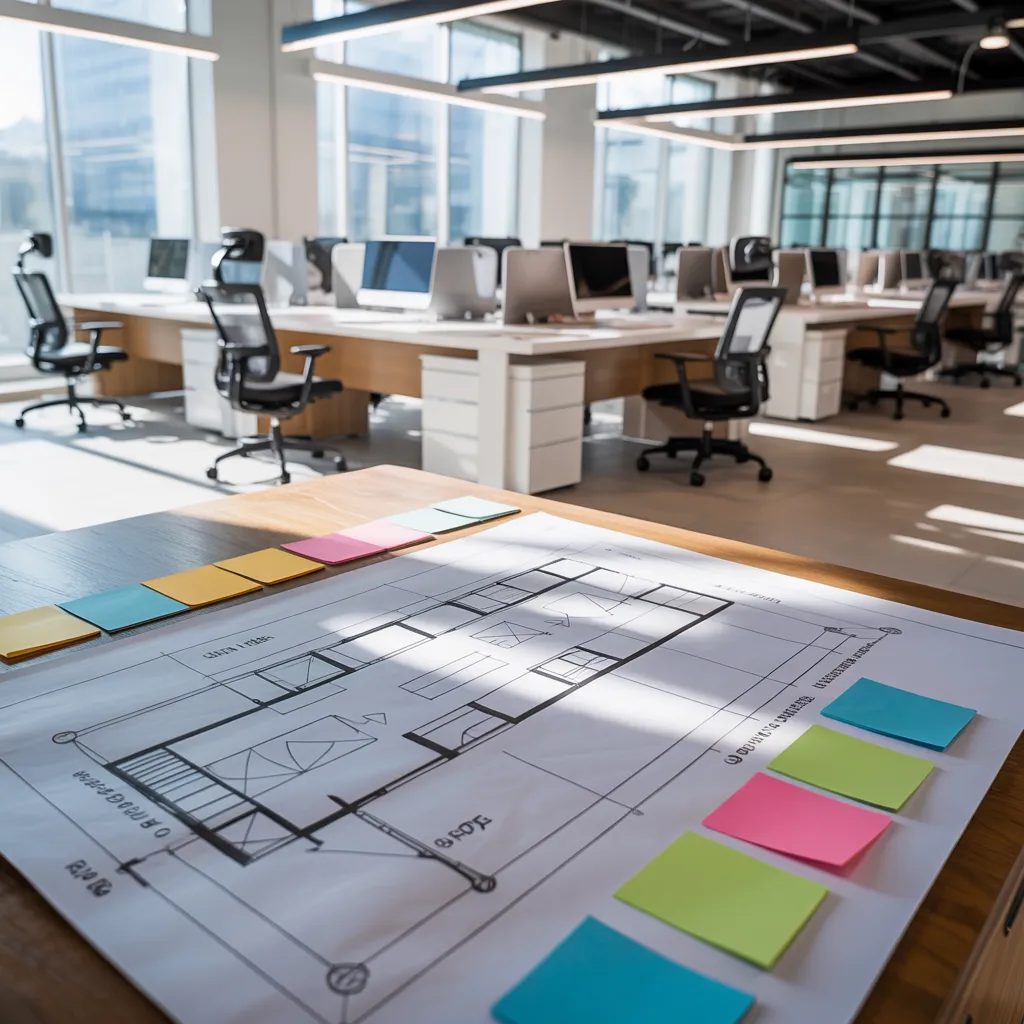
How Architects Contribute to Building Sustainable Spaces
Architects hold a pivotal role in the development of sustainable spaces, substantially influencing the environmental effect of the built world. Their proficiency supports the adoption of eco-friendly materials, sustainable energy systems, and progressive design concepts that reduce resource use. Through a focus on sustainability, architects are positioned to build structures that minimize greenhouse gas output and improve energy efficiency.
Cooperation with engineers and sustainability experts is essential in this endeavor, guaranteeing that both aesthetic and functional criteria are met by designs while maintaining eco-friendly standards. Moreover, architects take into account the surrounding ecosystem, promoting biodiversity and incorporating natural elements that foster a harmonious relationship between built and natural environments.
Through deliberate strategy, architects also advocate for the use of sustainable energy options, such as wind or solar energy, which additionally advances sustainable objectives. In the end, their role extends beyond mere construction; architects transform the trajectory of city environments by cultivating a dedication to responsible design and environmental stewardship.
Key Innovations in Architectural Design That Improve Functionality
Several breakthroughs in building design are transforming functionality in modern spaces. One significant breakthrough is the integration of smart technology, empowering spaces to adjust to the preferences of their occupants through intelligent lighting, temperature regulation, and security features. This improvement leads to greater energy savings and enhanced occupant comfort.
Moreover, modular construction approaches are growing in prominence, allowing for quicker assembly and enhanced design flexibility. These frameworks can be effortlessly reorganized or extended, making them appropriate for numerous functions.
Biophilic architecture, that integrates elements of nature into building design, promotes productivity and well-being, nurturing a bond between inhabitants and their environment.
In addition, open-concept floor plans are growing in popularity, providing versatile spaces designed to accommodate multiple activities.
Lastly, green materials are being incorporated not only for their sustainability but also for their aesthetic appeal and durability, enhancing the overall functionality of modern structures. Together, these advancements lead to more flexible and effective architectural designs.
How Design Connects Communities
Planning holds significant importance in fostering relationships within residential areas, establishing settings that promote collaboration and cooperation among inhabitants. Carefully planned green spaces, plazas, and shared spaces serve as vital gathering spots, encouraging public participation and a sense of belonging. Structural characteristics such as flexible arrangements and adaptable environments facilitate avenues for neighborhood gatherings and initiatives, enhancing the overall quality of life.
Furthermore, designs that integrate local culture and traditions establish a unique identity, enabling residents to develop a stronger connection to their environment. By focusing on accessibility and inclusivity, architects confirm that all community members, regardless of age or capability, can engage in community life.
The incorporation of natural features, such as verdant areas and communal spaces, greatly enhances the communal living experience, offering residents a sanctuary and a space for collective recreation. In the end, intentional architectural planning not only defines physical environments but also fosters the connections that unite communities.
Boosting Energy Efficiency Through Expert Architecture
A major transformation in favor of energy efficiency is revolutionizing the architecture landscape, driving the development of pioneering solutions that minimize ecological footprint. Expert architecture services serve a vital function in this shift by incorporating eco-friendly approaches into design. These architecture specialists assess patterns of energy use and apply advanced materials, such as top-grade insulation and energy-efficient windows, to lower thermal energy demands.
Furthermore, the incorporation of clean energy technologies, like geothermal systems and solar panels, not only decreases dependence on fossil fuels but also decreases operational costs for building owners. Advanced building automation technologies also optimize building energy efficiency, facilitating real-time monitoring and adjustments to energy use.
With careful planning and creative design, professional architects develop environments that not only adhere to rigorous environmental standards but also encourage lasting sustainability. This emphasis on energy efficiency ultimately leads to a more sustainable planet and stronger communities, reinforcing the critical role of architecture in tackling climate change.
Remarkable Urban Landscape Changes
A prime illustration is the rejuvenation of abandoned waterfront districts into dynamic community spaces, complete with walking paths, parks, and cultural installations. Such developments do more than improve the scenery, as they also invigorate local economies by drawing in visitors and commercial enterprises.
Beyond this, effective urban design recognizes the distinctive attributes of a locality, making certain that every change honors its heritage and character. This tailored approach cultivates a sense of belonging within the community, encouraging guardianship of the area. In essence, thriving urban landscape projects demonstrate the capacity of architecture to transform the urban environment and support environmentally conscious communities.
What's Next for Innovative Architecture?
In what ways can innovative architecture keep pace with and address the changing demands of society? As cities become progressively more complex, architects are called upon to confront significant challenges like sustainability, affordability, and social equity. Innovative technologies, encompassing artificial intelligence and next-generation materials, open up new possibilities for design, supporting more effective construction processes and superior energy performance.
Furthermore, architects are increasingly collaborating with various stakeholders, from local communities to environmental experts, confirming that blueprints represent the goals and necessities of those who rely on them. This collaborative method cultivates resilience, permitting designs to accommodate fluctuating ecological circumstances and public expectations.
In addition, the integration of biophilic design concepts fosters wellness, bridging the gap between inhabitants and the natural environment. As the field of architecture advances, the pursuit of innovative solutions will remain a top priority, inspiring the field to create spaces that are functional while also being transformative for generations to come.
Frequently Asked Questions
How Do Architects Partner With Engineers on Projects?
Architects collaborate with engineers by merging creative designs with technical demands, ensuring structural integrity and functionality. Scheduled meetings promote effective dialogue, permitting both parties to resolve issues and advance project success through combined expertise and forward-thinking strategies.
What Are the Costs Associated With Hiring an Architect?
The expenses involved in engaging an architect typically include architectural design fees, project management costs, and potential supplementary charges for site inspections or consultations. These expenses can differ significantly according to the scope of the project and geographical location.
What Is the Average Timeframe for the Architectural Design Process?
The architecture design workflow usually spans several months, based on project scope and the requirements of the client. Considerations like permitting, project revisions, and contractor management can also influence the dive in entire project schedule, commonly adding considerable time to the process.
Are Architects Able to Assist With Zoning and Permit Applications?
Certainly, architects are able to help with zoning regulations and permit submissions. Their professional skills help address intricate zoning regulations and establishes conformity with local regulations, simplifying the overall process and enhancing the probability of gaining the essential approvals for construction projects.
What Qualifications Should I Look for in an Architect?
When choosing an architect, one should prioritize qualifications such as relevant experience, proper licensing, educational background, strong communication skills, and a portfolio showcasing creativity and problem-solving skills. Specific areas of expertise may also matter based on the nature of the project.